EN
PASAM Agrumi · Our commitment
ORGANIC FARMING
Living connections
Every action nurtures
the whole.
Soil, water, biodiversity and pollination: practices that support one another.
agriculture
Living soil
Field beans, vetch, clover, lupins, oats and rye: green manuring is part of our farming practices.
Water, drop by drop
Drip irrigation reduces water consumption by 30% to 70% compared with traditional sprinkler systems.
Room for biodiversity
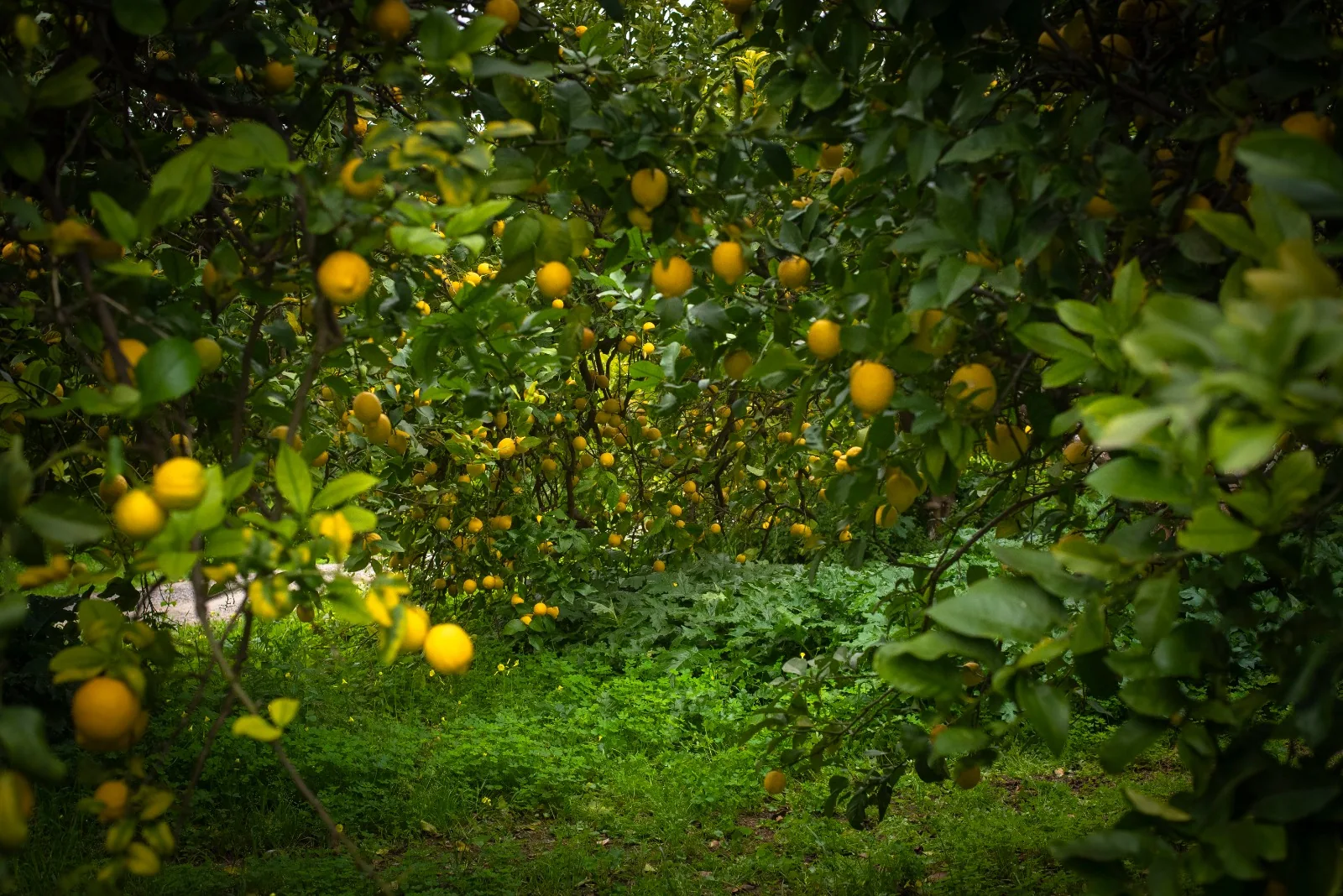
Hedges, shrubs and artificial nests help encourage life in the lemon grove.
The work of pollinators
Bees and bumblebees aid pollination. The Sicilian Black Bee project reflects our connection to this natural wealth.
ORGANIC FARMING
In the 1990s, PASAM Agrumi began its agricultural transformation: sustainability and green farming were becoming increasingly important, and PASAM Agrumi was among the first companies to encourage its growers to obtain organic certification. Organic farming is an agricultural production system defined and regulated at European Union level by Regulation (EU) No 2018/848. It does not use synthetic chemicals (fertilisers, herbicides, insecticides or fungicides) for soil fertilisation or the control of weeds, animal pests and plant diseases; it also prohibits genetically modified organisms (GMOs). We organise several organic farming courses for growers to teach the basic rules of organic production and what environmentally sustainable cultivation really means. We immediately equipped ourselves with a processing line separate from the conventional line for organic produce, ensuring a clear and constant distinction from conventional products. We know that choices have to be made in both business and personal life, and that we must take a position: that is why, since choosing to say NO to chemicals, we have also said NO to waxes used on citrus peel, such as thiabendazole and imazalil, allowing us to state that every PASAM Agrumi lemon has a completely edible peel.
Discover more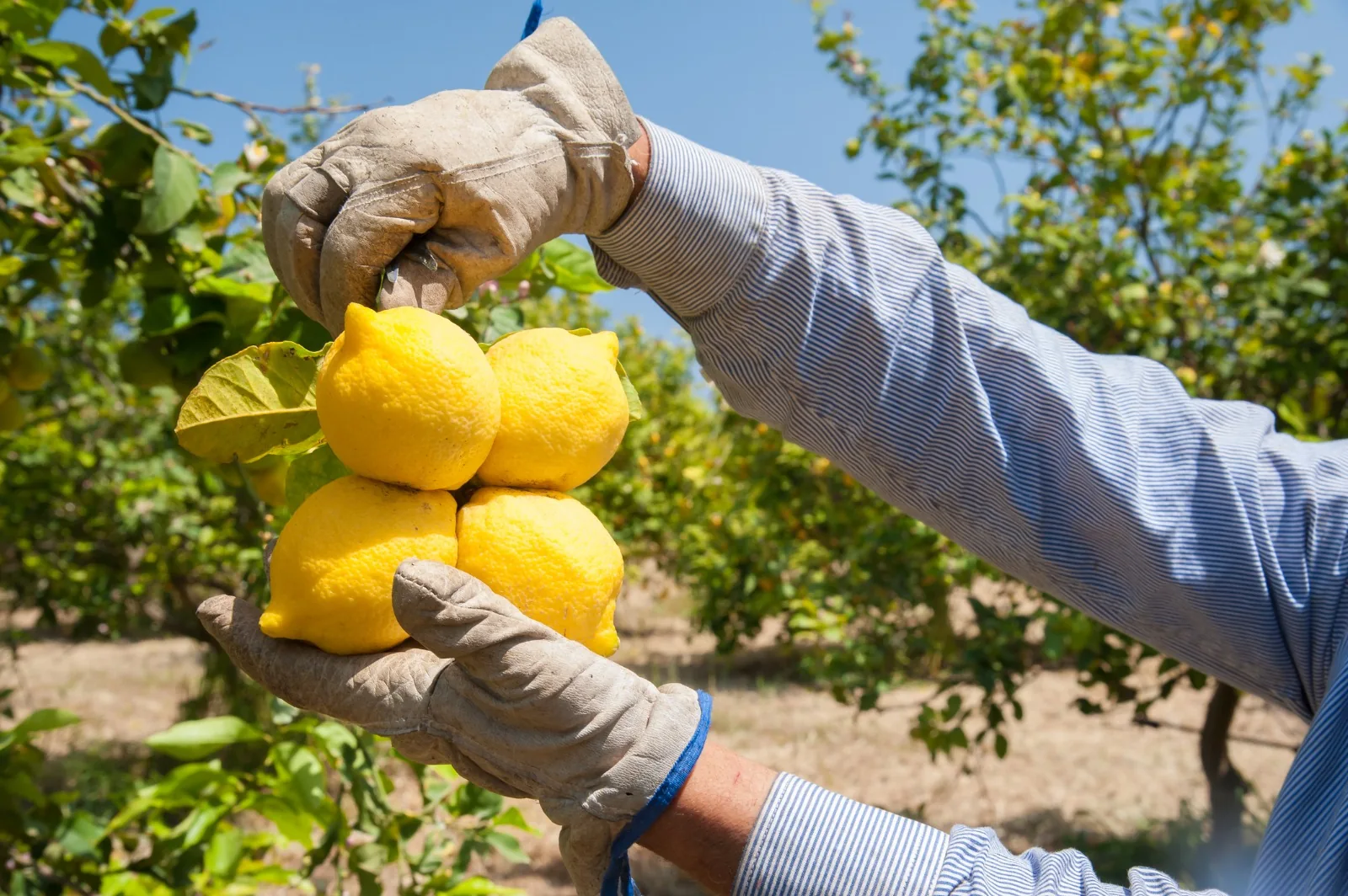
Regenerative organic agriculture
For us, it is not simply a question of organic farming, but of a different approach: Regenerative Organic Agriculture.
Intensive agriculture has led to deforestation, the loss of animal habitats and the growth of large-scale livestock farming, harming biodiversity and intensifying climate change. Regenerative organic agriculture combines the principles of organic farming (without synthetic fertilisers or pesticides) with the active aim of improving and regenerating the health of soil and ecosystems, year after year.
Discover more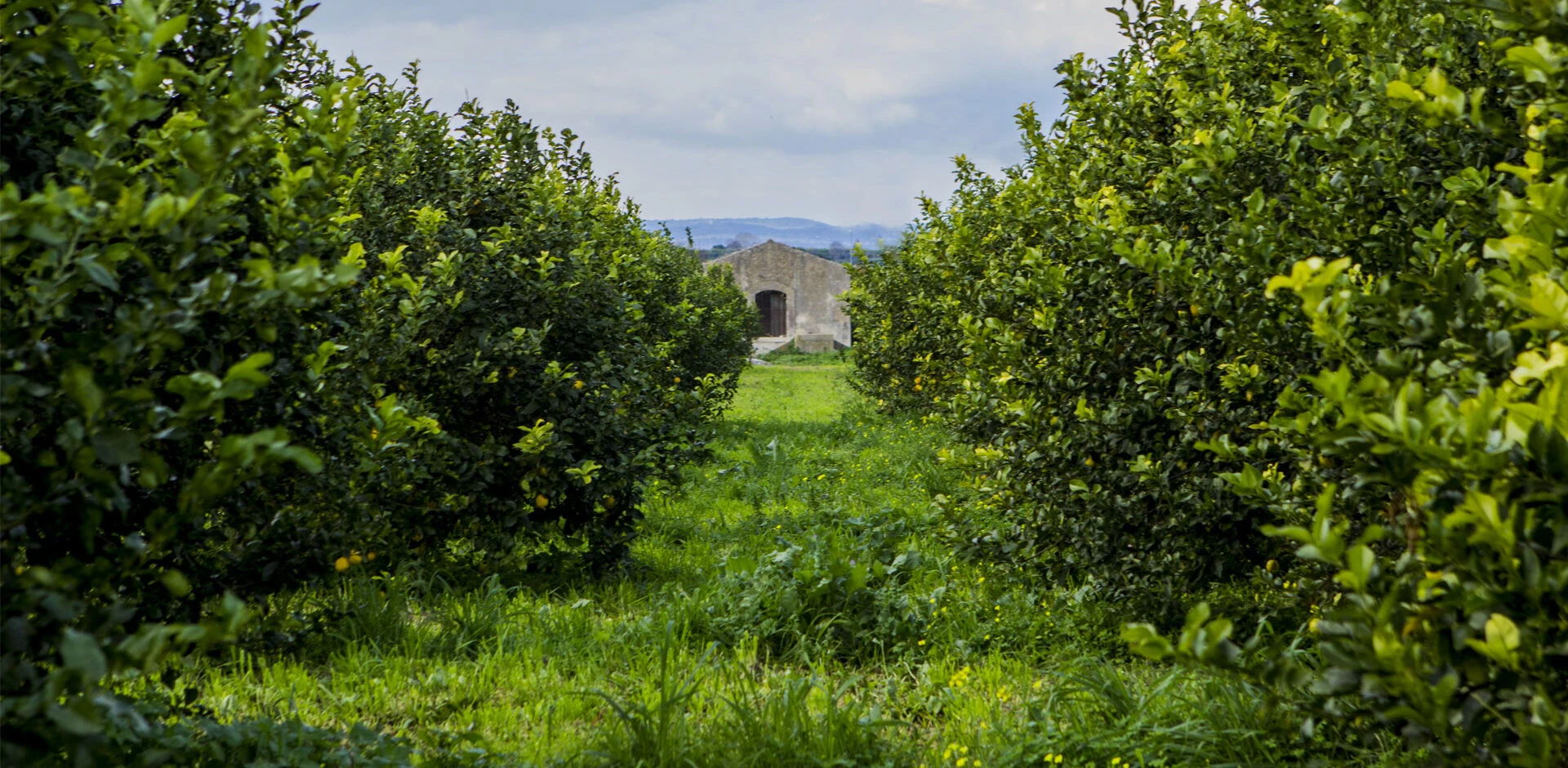
PASAM Agrumi · Siracusa