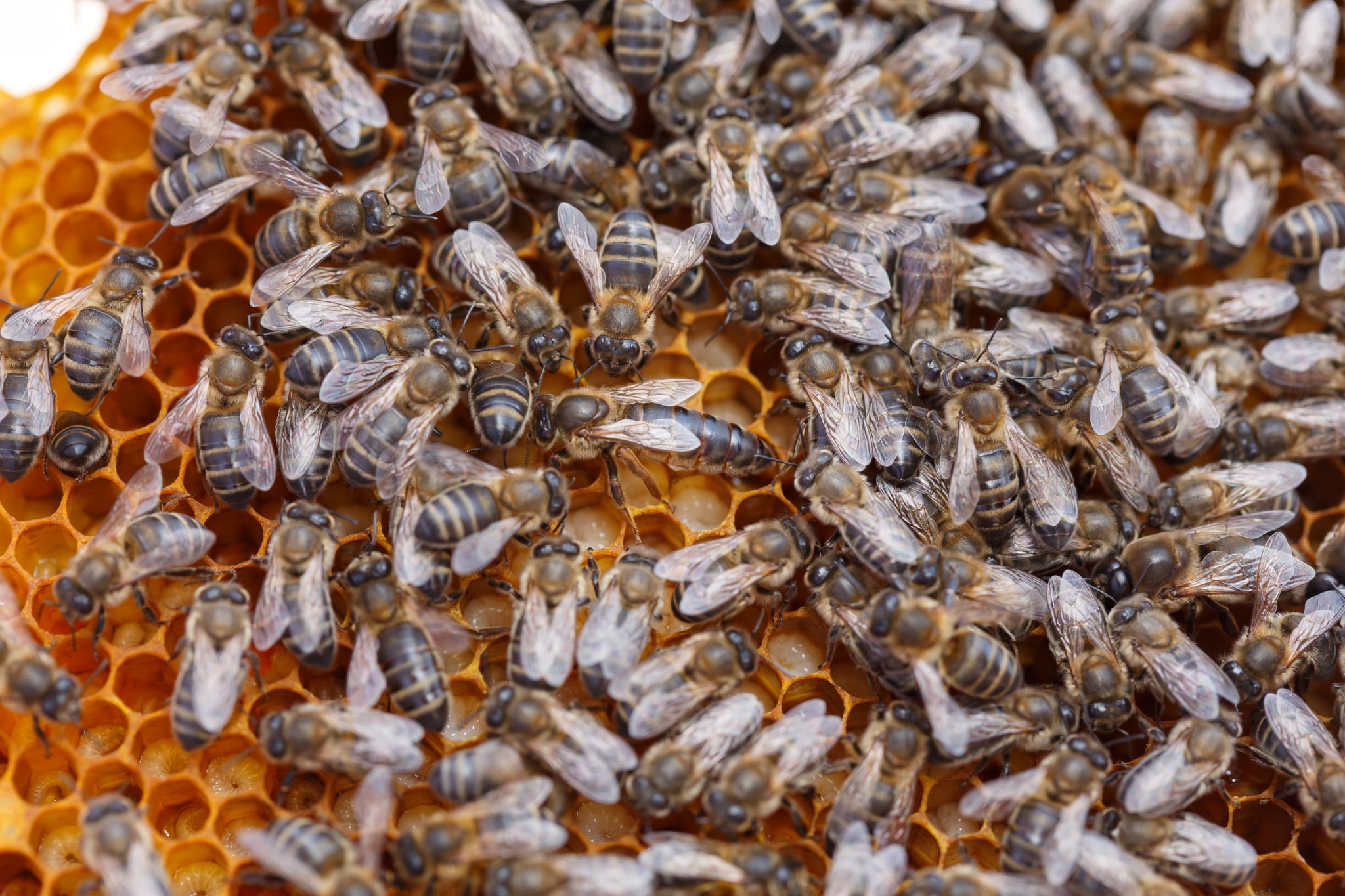
Bees and other pollinators, such as butterflies, wasps, ladybugs, spiders, etc., play a vital role for nature and for us humans.
Pollination is the process by which pollen is transferred from one flower to another, allowing plants to reproduce and produce fruit.
This process is essential for global food crops, such as fruits and vegetables.
Furthermore, a significant portion of the world’s farmland depends on pollinators.
Today, however, our pollinators are facing a very difficult time: in Europe, in particular, 9.2% of European bee species are currently threatened with extinction.
Without them, many plant species would become extinct, and current levels.
Domestic and wild bees are responsible for about 70% of the pollination of all plant species living on the planet and ensure about 35% of global food production.
Insects, pesticides, and changes in land use can reduce the nutrients available to them and thus pose a threat to their often numerous colonies.
PASAM Agrumi has developed a plan for bee protection that includes several measures:
• Intensifying and promoting organic and biodynamic production, and completely banning all products that are risky and harmful to bees;
• All PASAM Agrumi producers commit to having at least 10 beehives per hectare on their farms to support the development of bee colonies; A beehive is a small house, typically made of wood, where a bee colony composed of a queen bee, drones, and worker bees reproduces;
• All PASAM Agrumi producers commit to planting hedges or selected plants between rows of citrus trees to increase the number of flowers and thereby attract more pollinators.
That’s why PASAM Agrumi has entered into a close partnership with Carlo Amodeo, currently the sole keeper of Sicilian black bees, so much so that in 2008 his beekeeping operation was designated a Slow Food Presidium.
Based in Termini Imerese (PA) on the slopes of the Monte San Calogero Nature Reserve, his work is in fact considered a global model of excellence and a benchmark for biodiversity and resilience to climate change.
The Sicilian black bee stands out not only for its color and smaller wings, but also for its extraordinary productivity even in extreme temperatures and its resistance to disease.
And you, what can you do in your own small way to protect the bees?
• Grow bee-friendly plants: Fill your balcony or garden with nectar-producing flowers (such as lavender, sunflowers, rosemary, sage, phacelia, and medical herb). With this way, the bees will always have a source of food.
• Create a trough with a shallow bowl of water with stones or corks so the bees can land and drink without drowning.
• Buy local honey: support local beekeepers by buying honey directly from them instead of at the supermarket.
• Avoid pesticides: Ban the use of chemical pesticides, herbicides, or insecticides in your garden and opt for organic or natural gardening methods.
• Adopt a beehive: you can support long-distance projects by adopting or gifting a beehive through online platforms.
“Only with everyone’s help can we reverse this trend and save our precious bee friends!”